CALL TODAY
(07) 3741 2825

Myotherapy & Remedial Massage

Myotherapy and Remedial Massage are closely related treatments that work together to address muscular pain, tightness and soft-tissue problems. Rather than relying on one technique, treatment is tailored to what is causing your symptoms and what your body needs at the time.

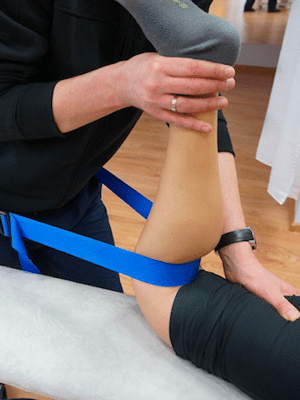
Depending on your presentation, your appointment may include massage, myofascial techniques, dry needling, cupping, joint mobilisation, stretching or targeted exercises to help reduce discomfort and restore comfortable movement.

Hands-On Treatment Tailored to You

Muscle and soft-tissue problems can develop for many reasons, including physical activity, repetitive work, prolonged sitting, injury, changes in movement or ongoing muscular tension.

Treatment focuses on identifying the areas contributing to your symptoms and using the most appropriate combination of techniques to address them.

This approach can be useful for:

  • Neck and shoulder tension
  • Back pain and muscular tightness
  • Muscle strains and overuse injuries
  • Restricted or uncomfortable movement
  • Sports and training-related soreness
  • Headaches associated with muscular tension
  • Repetitive strain and work-related discomfort
  • General muscle soreness and stiffness
  • Recovery following injury
  • Ongoing muscular maintenance

Myotherapy

Myotherapy takes a more assessment-led approach to muscle and soft-tissue pain.

Your appointment begins by looking at where you are experiencing pain or restriction, how the area is moving and which muscles or surrounding structures may be contributing to the problem.

Treatment is then targeted towards those findings.

Myotherapy can involve a combination of hands-on treatment, myofascial techniques, dry needling, electro dry needling, cupping, joint mobilisation and exercises depending on what is appropriate for your condition.

It is particularly suited to persistent or recurring muscular pain, restricted movement and problems where identifying the muscular or movement-related contributors is important.

Myotherapy may be suitable for:

  • Persistent muscle pain
  • Recurring muscular tightness
  • Neck, shoulder and back pain
  • Muscle strains
  • Restricted movement
  • Sports injuries
  • Overuse and repetitive strain
  • Headaches associated with muscle tension
  • Postural and movement-related discomfort

Remedial Massage

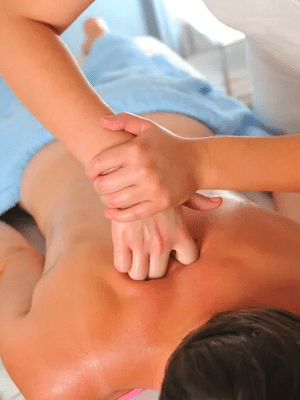
Remedial Massage provides targeted hands-on treatment for sore, tight and overworked muscles.

Treatment can focus on specific areas of discomfort or multiple muscle groups depending on your needs. Pressure and treatment techniques are adjusted throughout the appointment based on the condition of the muscles and your comfort.

Remedial Massage can be particularly helpful when the main goal is to reduce muscular tension, improve comfortable movement and assist recovery from physical activity, work or everyday strain.

It can also be used regularly as part of ongoing muscular care.

Remedial Massage may be suitable for:

  • Muscle tightness and tension
  • General muscular soreness
  • Neck and shoulder tension
  • Back tightness
  • Training and exercise recovery
  • Physically demanding work
  • Repetitive strain
  • Muscle fatigue
  • Ongoing maintenance

How Myotherapy and Remedial Massage Work Together

Myotherapy and Remedial Massage do not need to be treated as completely separate approaches. For many patients, elements of both are useful during treatment.

A patient experiencing persistent shoulder pain, for example, may benefit from a Myotherapy assessment to identify the muscles, movement patterns and surrounding structures contributing to the problem. Treatment may then include Remedial Massage techniques to reduce muscular tension alongside other techniques such as myofascial treatment, dry needling or targeted exercises.

As symptoms improve, treatment can change with them. Earlier appointments may focus more heavily on assessment and targeted treatment, while later appointments may focus on maintaining movement, reducing residual tightness and helping prevent symptoms from building again.

Similarly, someone attending primarily for Remedial Massage may have an area of persistent tightness or restriction identified during treatment. The session can then become more targeted without requiring the patient to book an entirely different type of treatment.

The aim is to use the right approach for the problem rather than fitting every patient into a single treatment category.

Supporting Your Recovery After Injury

Treatment does not always end once the initial pain has settled.

Following an injury, the next stage is often rebuilding strength, improving movement and gradually returning to normal activity. Depending on your needs, this may involve ongoing Myotherapy or Remedial Massage alongside a structured exercise program.

Regular hands-on treatment can help manage muscular tightness, soreness and restrictions that develop as activity increases, while strengthening helps rebuild physical capacity and prepare the body for the demands of work, exercise and everyday activity.

Your ongoing recovery may include:

  • Myotherapy or Remedial Massage to manage muscular tension, stiffness and soft-tissue discomfort during recovery
  • Gym-Based Strengthening Programs to progressively rebuild strength, movement and physical capacity
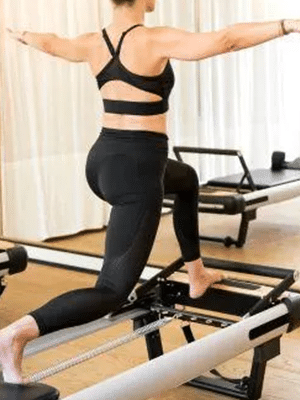
  • Clinical Pilates for supervised strengthening, movement control, mobility and rehabilitation
  • Home Exercise Programs to continue your progress between appointments

As your condition improves, treatment can gradually shift away from managing symptoms and towards rebuilding strength, confidence and long-term physical resilience.

The aim is not simply to help you feel better after an injury, but to help you return to work, exercise and everyday activity with your body better prepared for the demands placed on it.
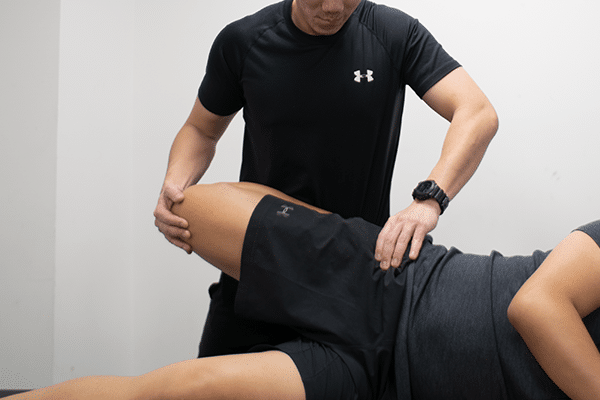
Treatment Techniques

Your treatment may include a combination of techniques depending on your symptoms, assessment findings and treatment goals.

Remedial Massage

Targeted massage techniques are used to work through tight, sore or overworked muscles and surrounding soft tissues.

myofascial-treatment-service

myofascial release

Hands-on techniques can be used to address restrictions within the muscles and connective tissues that may be contributing to pain or limited movement.

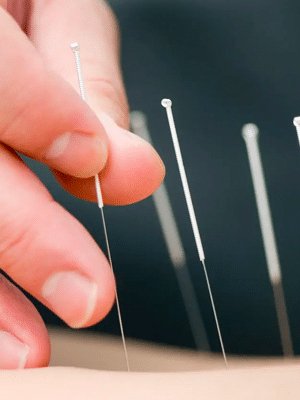
Fine needles are placed into targeted areas of muscle to help address muscular tightness, trigger points and areas of persistent tension.

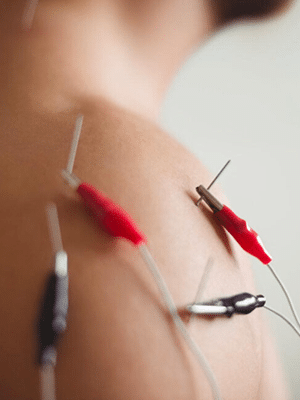
A gentle electrical stimulation can be applied through dry needles to provide additional stimulation to targeted muscles and areas of muscular dysfunction.

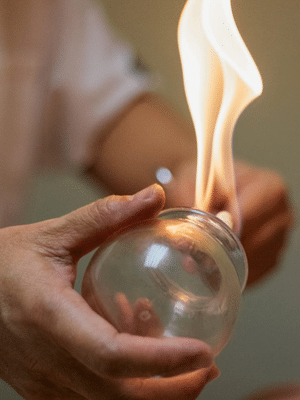
Cupping can be used alongside other hands-on techniques to target areas of muscular and soft-tissue tension.

Gentle mobilisation techniques may be used when joint stiffness or restricted movement is contributing to your symptoms.

Supervised exercises to improve strength, mobility and movement control, supporting rehabilitation and helping reduce recurring problems.

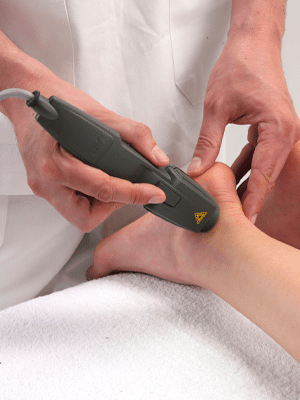
Targeted light therapy used to help reduce pain and inflammation while supporting tissue repair and recovery.

Which Appointment Should I Book?

Choose Myotherapy if:

You have a particular area of pain, recurring muscular problem or restricted movement that you would like assessed and treated.

Myotherapy is generally the better starting point when you want to understand what may be contributing to the problem as well as receive hands-on treatment.

Choose Remedial Massage if:

Your main concern is muscle tightness, soreness, fatigue or general muscular tension.

It is also suitable for exercise recovery, physically demanding work or ongoing muscular maintenance.

Not Sure Which One You Need?

You do not need to know exactly which treatment technique you require before your appointment.

Both services form part of the same broader approach to muscular and soft-tissue care, and your treatment can be adapted depending on what is found during your appointment.

Combined Appointments

Remedial Massage + PBM Therapy

Combines remedial massage with Photobiomodulation (PBM) Therapy within the same appointment.

This option allows muscular tension and soft-tissue restrictions to be treated hands-on, with PBM used on targeted areas where appropriate to support pain management and recovery.

It may be useful when treating a specific area of persistent pain, irritation or muscular discomfort.


Myotherapy + Corrective Exercise

A 90-minute appointment combining 45 minutes of myotherapy with 45 minutes of tailored corrective exercise.

The exercise component is based on your individual needs, goals and preferences, and may include gym-based rehabilitation, home exercises or reformer Pilates. This allows the session to focus on the type of movement and exercise that is most appropriate and practical for you.

This option is suited to people who would benefit from hands-on treatment alongside more focused work on strength, mobility, movement control or returning to everyday activity, exercise or sport.


Book your appointment with Ben:

BenC_round_v2

Advanced Myotherapist
Remedial Massage